Recertyfikacja MT 2 | Szkolenie odświeżające + egzamin recertyfikacyjny
Szkolenie odświeżające
Recertyfikacja MT 2 to proces mający na celu okresową weryfikację wiedzy i umiejętności praktycznych specjalistów w zakresie MT 2 prowadzący do przedłużenia ważności ich certyfikatu kompetencji.
Należy go przeprowadzić po upływie 10 lat od momentu uzyskania pierwszej certyfikacji (oraz co każde kolejne 10 lat). Posiadacz certyfikatu powinien rozpocząć proces odnowienia na 6 miesięcy przed datą jego wygaśnięcia.
Osoba ubiegająca się o recertyfikację MT 2 musi przystąpić do egzaminu recertyfikacyjnego. Egzamin ten obejmuje zagadnienia związane z opracowaniem instrukcji badawczej, znajomością obsługi wyposażenia, wykonaniem badania oraz oceną uzyskanych wyników wraz z protokołowaniem.
Pozytywne zaliczenie egzaminu skutkuje przedłużeniem ważności certyfikatu o kolejne 5 lat.
Aby rozpocząć proces należy wypełnić wymagane dokumenty i przesłać je do Navi Academy w celu weryfikacji.
Proces recertyfikacji powinien zakończyć się nie później niż dzień przed datą upływu ważności bieżącego certyfikatu. W przeciwnym razie certyfikat traci ważność, co uniemożliwia dalsze wykonywanie badań NDT w danej metodzie, a proces przedłużenia certyfikacji wymaga ponownego podejścia do szkolenia oraz zdania pełnego egzaminu kwalifikacyjnego.
Do procesu recertyfikacji (szkolenie + egzamin) mogą przystąpić osoby posiadające certyfikaty kompetencji MT 2 wydane przez inne jednostki certyfikujące, po wcześniejszej weryfikacji posiadanych uprawnień przez Navi Academy.
What is included in the price ?
The training fee includes:
1. Participation in training
2. Training materials and literature
3. Availability of required measuring and control equipment
4. All-day coffee service
5. Dinner
6. Certificate of participation in training
What does the exam look like?
Egzamin recertyfikacyjny polega na praktycznej weryfikacji kompetencji w zakresie danej metody NDT.
Składa się z części pisemnej i praktycznej. Kandydat losuje zestaw 3 próbek egzaminacyjnych i przeprowadza ich badanie wraz z protokołowaniem zgodnie z otrzymanymi od egzaminatora wytycznymi. Kandydat samodzielnie dobiera technikę badania, określa warunki badania oraz opracowuje pisemną instrukcję badania do jednej z wylosowanych próbek. Czas na zbadanie próbek oraz opracowanie instrukcji jest zależny od poziomu ich złożoności i trudności i jest określany każdorazowo przez egzaminatora. Kandydat może korzystać z udostępnionych przepisów, norm, specyfikacji.
Warunkiem uzyskania pozytywnego wyniku egzaminu jest zaliczenie każdego zadania na minimum 70%.
Zestawy egzaminacyjne są opracowywane przez TÜV SÜD Polska i do dnia egzaminu pozostają poufne. Próbki egzaminacyjne są inne niż próbki szkoleniowe.
Who is this training for?
Szkolenie przeznaczone jest dla osób posiadających certyfikat MT 2, które zbliżają się do końca jego ważności po upływie 10 lat od pierwszej certyfikacji i chcą przedłużyć uprawnienia bez konieczności ponownego przechodzenia pełnego szkolenia kwalifikacyjnego.
Due to the use of strong magnetic fields, individuals with implanted pacemakers, cardioverter-defibrillators, or neurostimulators cannot participate in the training.
The training is intended especially for:
wszystkich osób posiadających certyfikat MT 2 wymagający odnowienia po 10 latach wg PN-EN ISO 9712, w tym:
- inspektorów NDT,
- personelu kontroli jakości,
- production and maintenance engineers,
- managers and foremen,
- technologists and welders,
- employees of construction, assembly, and service companies.
Szkolenie kierowane jest również do posiadaczy certyfikatów MT 2 wydanych przez inne jednostki certyfikujące, pragnących kontynuować certyfikację w TÜV SÜD Polska.
Benefits for the participant:
- aktualizacja wiedzy zgodna z obowiązującymi normami i wymaganiami rynku,
- rzetelne przygotowanie do egzaminu recertyfikacyjnego MT 2,
- możliwość ubiegania się o przedłużenie ważności certyfikatu kompetencji MT 2 na kolejne 5 lat po pozytywnym zdaniu egzaminu.
How to buy training?
The training can be purchased in two ways.
Online purchase:
1. Add the training to your cart and fill in the participant's details.
2. Confirm required consents and statements, and pay for your order.
3. After manual verification of the order and correctness of the data, the completed documentation for signature will be sent to the indicated e-mail address – it will be filled out by the payer, the training participant, and the person confirming the completion of the professional practice.
Offline purchase:
Detailed information regarding purchases made without the website can be found in the Documents tab.
Why choose Navi Academy?
Przygotowanie ukierunkowane na egzamin recertyfikacyjny
Program szkolenia skupia się na tych zagadnieniach, które są istotne z punktu widzenia egzaminu recertyfikacyjnego MT 2 – prawidłowym przebiegu badania, wymiarowaniu i ocenie wykrytych wskazań, protokołowaniu wyników oraz redagowaniu instrukcji badania.
Praca na rzeczywistych próbkach i kryteriach
Ćwiczenia praktyczne prowadzone są na próbkach obejmujących różne sektory wyrobów – złącza spawane, odlewy, odkuwki oraz wyroby przerabiane plastycznie. Każdy wyrób oceniany jest zgodnie z właściwymi kryteriami akceptacji, co pozwala uczestnikom ćwiczyć umiejętności wymagane na egzaminie recertyfikacyjnym.
Trenerzy z doświadczeniem w rzeczywistych badaniach MT
Szkolenia prowadzone są przez trenerów z wieloletnim doświadczeniem w badaniach magnetycznych różnych elementów przemysłowych. Znamy rzeczywiste problemy, z którymi inspektorzy MT spotykają się w pracy zawodowej, dlatego możemy prowadzić zajęcia w sposób realistyczny zapewniając jednocześnie skuteczne przygotowanie do egzaminu.
MT Training Program
- Research techniques and types.
- Stosowane wyposażenie kontrolno-pomiarowe.
- Normalizacja dotycząca obiektów i technik badania.
- Schema, stages, and conditions of the study.
- Badanie oraz protokołowanie wyników badania.
- Editing test instructions.
- Qualification and certification of personnel according to PN-EN ISO 9712:2022.
- Health and Safety Issues.
Scope of Competencies – MT Levels
MT Level 2
A Level 2 Inspector has expanded competencies that additionally include developing magnetic particle testing instructions for Level 1, selecting testing techniques, magnetization parameters, and detection media, independently performing complete MT tests with final evaluation of indications, and preparing test protocols and reports. They are also authorized to supervise the work of Level 1 qualified personnel.
Training Norms
- PN-EN ISO 12707
- PN-EN ISO 9934-1
- PN-EN ISO 9934-2
- PN-EN ISO 9934-3
- PN-EN ISO 3059
- PN-EN ISO 17635
- PN-EN ISO 17638
- PN-EN ISO 23278
- PN-EN 10228-1
- PN-EN 1369
- PN-EN ISO 10893-3
- PN-EN ISO 10893-5
- EN 13445-5
- EN 13480-5
- PN-EN 12952-6
Sectoral scope according to PN-EN ISO 9712:2022
The training covers the following sectors:
Industrial sectors
- pre- and in-service inspections (s),
- production.
Product sectors:
- castings,
- forgings,
- welded connections (w),
- pipes of various diameters (t),
- Plastically worked products (WP).
Additionally, the training covers the area of the Pressure Equipment Directive 2014/68/EU and personnel qualification for performing NDT of non-detachable joints on pressure equipment of categories III and IV – PED sector: w.
Upon successful completion of the training, the participant receives a certificate of participation, which qualifies them to take the qualification exam and subsequently obtain the MT2 competence certificate.
Prerequisites
- Posiadanie aktualnego certyfikatu MT 2 wg PN-EN ISO 9712.
- Brak jakichkolwiek przeciwwskazań lekarskich do wykonywania badań magnetycznych.
- Z uwagi na występowanie silnych pól magnetycznych, osoby posiadające wszczepione rozruszniki serca, kardiowertery-defibrylatory lub neurostymulatory nie mogą uczestniczyć w szkoleniu.
- Posiadanie zaświadczenia lekarskiego potwierdzającego spełnienie wymagań odnośnie zdolności widzenia zgodnie z pkt. 7.4 normy PN-EN ISO 9712:2022.
Ponadto wymagane jest:
- The ability to perform basic mathematical calculations,
- Having a scientific calculator and knowing how to use it.
To participate in the training, you need to provide:
- aktualny certyfikat,
- training participation form,
- current certificate of vision,
- Payment confirmation.
To take the exam, you must provide:
- kartę zgłoszenia udziału w egzaminie recertyfikacyjnym,
- Application for non-destructive testing personnel certification along with an agreement,
- current certificate of vision,
- Certificate of Education,
- aktualny certyfikat,
- Payment confirmation.
Downloadable documents:
- Training Participation Application Form NA,
- Application for personnel certification along with the agreement,
- karta zgłoszenia udziału w egzaminie recertyfikacyjnym,
- Certificate of Vision Capability Template.
Formal procedure
Scans of completed documents and required attachments should be uploaded to your user profile on www.naviacademy.com.pl or sent to the email address: academy@naviacademy.com.pl.
The required payment must be made. A prerequisite for participating in the training is submitting the application form (or a scan thereof), a current vision certificate, and making the full payment.
The fee for participation in the training should be paid via the website or to the bank account:
NAVI ACADEMY LLC.
ING Bank Śląski S.A.
Account number: 60 1050 1764 1000 0090 8426 6643
Payment title: participant's first and last name.
Applications submitted without full payment will not be considered.
After verifying the provided documents (user profile / email), the reporter receives feedback on their acceptance or any deficiencies.
Scans of properly completed documents must be submitted no later than 14 days before the start of the training.
Original documents must be submitted no later than the first day of training.
Withdrawal from participation
Withdrawal from the training can be done via the website (user profile) or in writing at least 10 calendar days before the training start date. In case of later withdrawal, there is no right to a refund of the training fee paid.
What is magnetic particle testing (MT)?
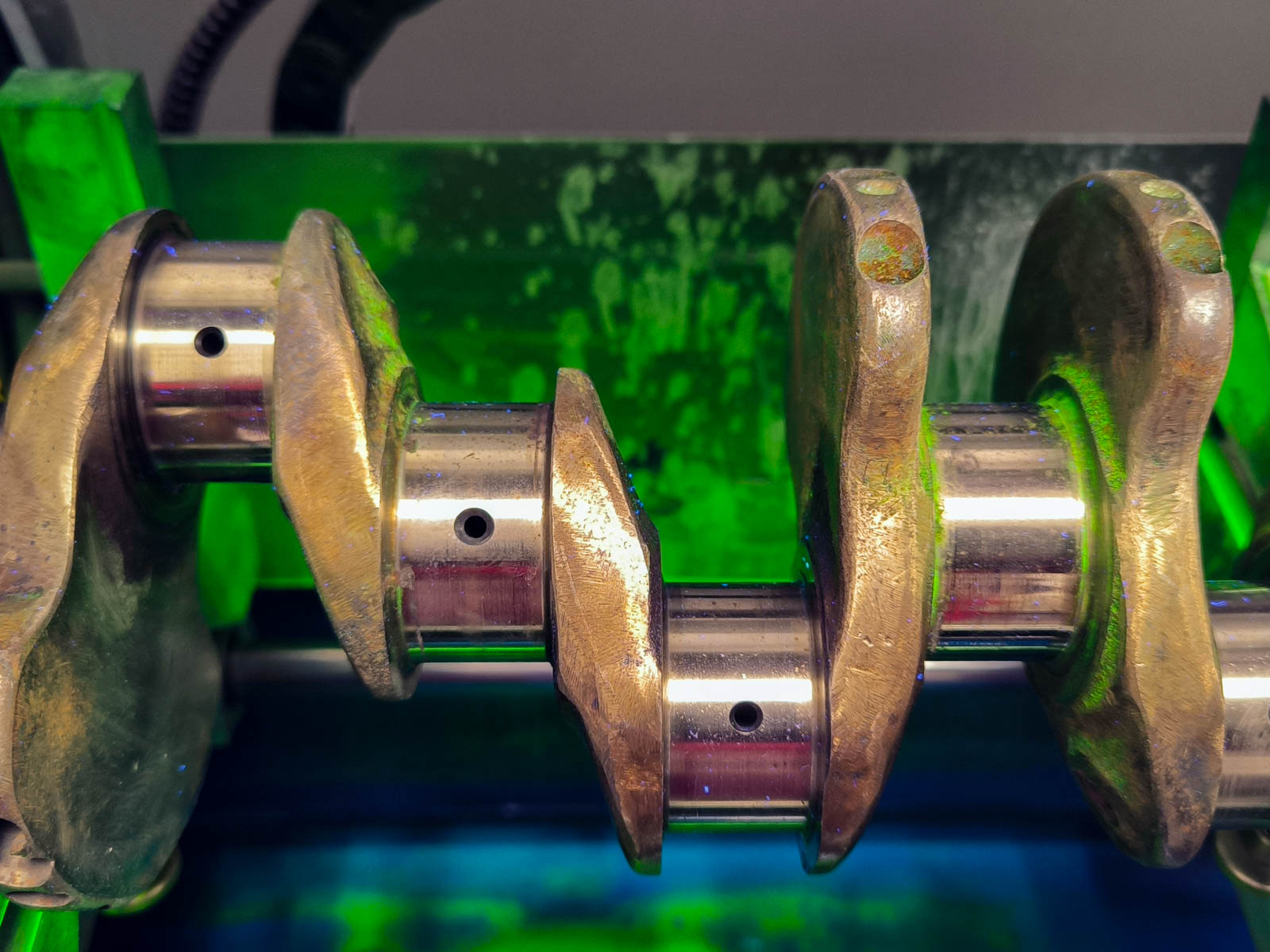
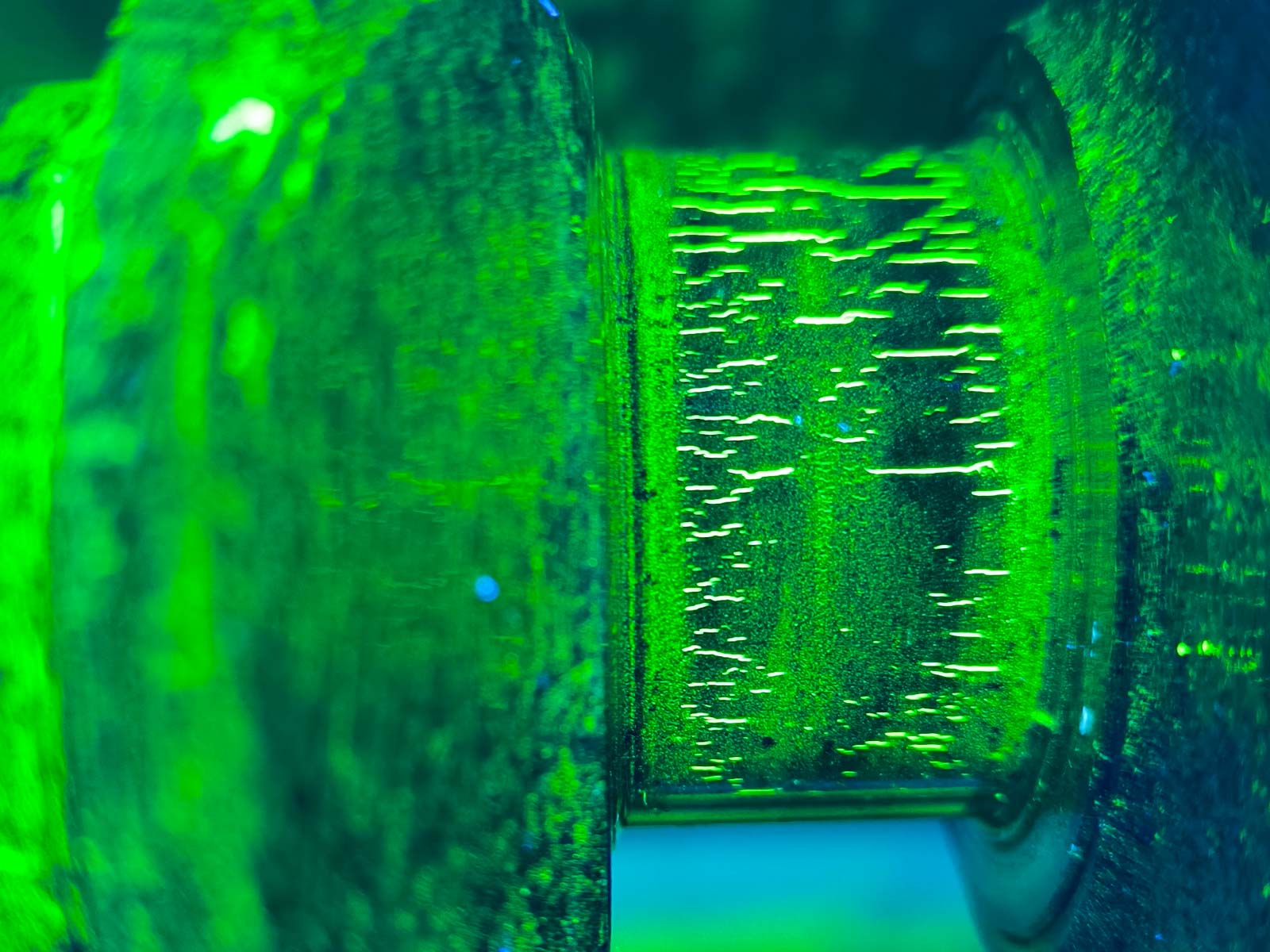
Magnetic particle testing (MT) is an extension and complement to visual inspection, primarily for detecting surface discontinuities and, to some extent, those located shallowly beneath the material's surface. The method utilizes the ferromagnetic properties of the material being tested, which is also its primary limitation. By creating a directional magnetic field of appropriate intensity and using specialized ferromagnetic detection powders, it is possible to quickly and precisely locate material discontinuities such as cracks, laps, folds, rolled-in scale, or lack of fusion. The detection powder creates a visually discernible indication on the surface of the material being tested, indicating the presence of a material discontinuity at that location.
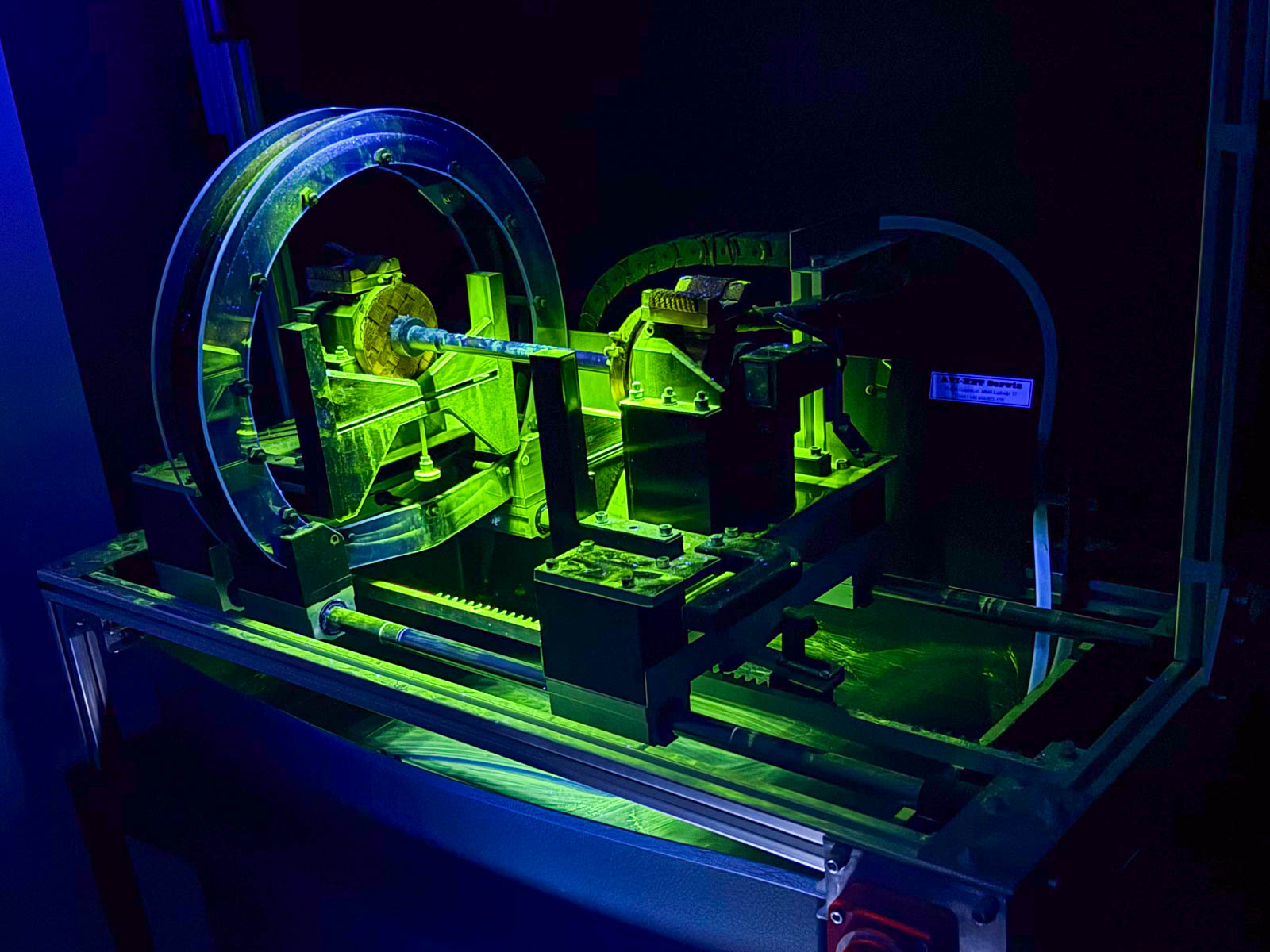
The MT method allows for the test result to be obtained immediately after the application of the detection agent, without the need for any additional waiting time. The resulting indication is then further evaluated based on the acceptance criteria applicable in each case. Depending on individual needs and test execution conditions, the MT method can be carried out using the color contrast technique with white light inspection, or the fluorescent technique, which requires inspection under ultraviolet light.
Magnetic testing is characterized by high sensitivity and reliability, making it widely used in many industrial sectors, such as construction, energy, petrochemicals, metallurgy, automotive, and aviation. Depending on the type of object and the scope of the examination, it requires the use of appropriate magnetic field exciters, such as yoke electromagnets, current generators, or rigid coils. Unlike the penetrant testing method, MT testing does not require such thorough degreasing of the surface under examination and can also be used to test painted components.
Benefits of the MT method
- detecting very small surface discontinuities,
- the possibility of detecting subsurface discontinuities,
- precise location of discontinuity,
- immediate test result,
- the possibility of examining elements coated with paint or galvanic coating,
- Lower surface preparation requirements than PT.
Application of the MT method – industries
The MT training is aimed at specialists working in industries where the detection of surface and subsurface discontinuities in ferromagnetic materials is required, at every stage of production and operation.
Typical application areas include:
- metallurgical industry,
- construction industry,
- Industrial construction,
- energy industry,
- petrochemical industry,
- shipbuilding industry and offshore infrastructure,
- railway engineering,
- automotive,
- aviation,
- army,
- critical and public infrastructure,
- service research laboratories.
Method limitations
Magnetic particle testing (MT), despite its high sensitivity and effectiveness in detecting surface and near-surface discontinuities, has certain limitations due to the physics of the method itself:
- the method may only be applied to ferromagnetic materials (e.g., carbon and low-alloy steels),
- is not suitable for testing non-magnetic materials such as aluminum, copper, austenitic stainless steels, or plastics,
- The detectability is limited to surface and shallow subsurface discontinuities,
- The effectiveness of the examination depends on the correct selection of the direction and intensity of the magnetic field.,
- Thick paint or protective coatings may reduce the legibility of indications.
Despite the limitations mentioned above, the MT method remains one of the most effective NDT methods for inspecting steel components, especially in the areas of welds, forgings, and castings.
Training cost
Choose the type and date of the training
- Czas trwania szkolenia: 3 dni (27h) + 1 dzień egzamin
- Forma szkolenia: stacjonarne - 80-299 Gdańsk, ul. Astronomów 5
- Standard / norma: PN-EN ISO 9712:2022, 2014/68/UE – sektor „PED: w”
- Poziomy szkolenia: 2
- Food: included (lunch + catering)